Tree Trimming Services
Expert tree trimming services in Hartville, OH by M&M Morris Landscaping. Improve tree health, safety, and appearance with professional care.
Tree Trimming Services in Hartville, OH
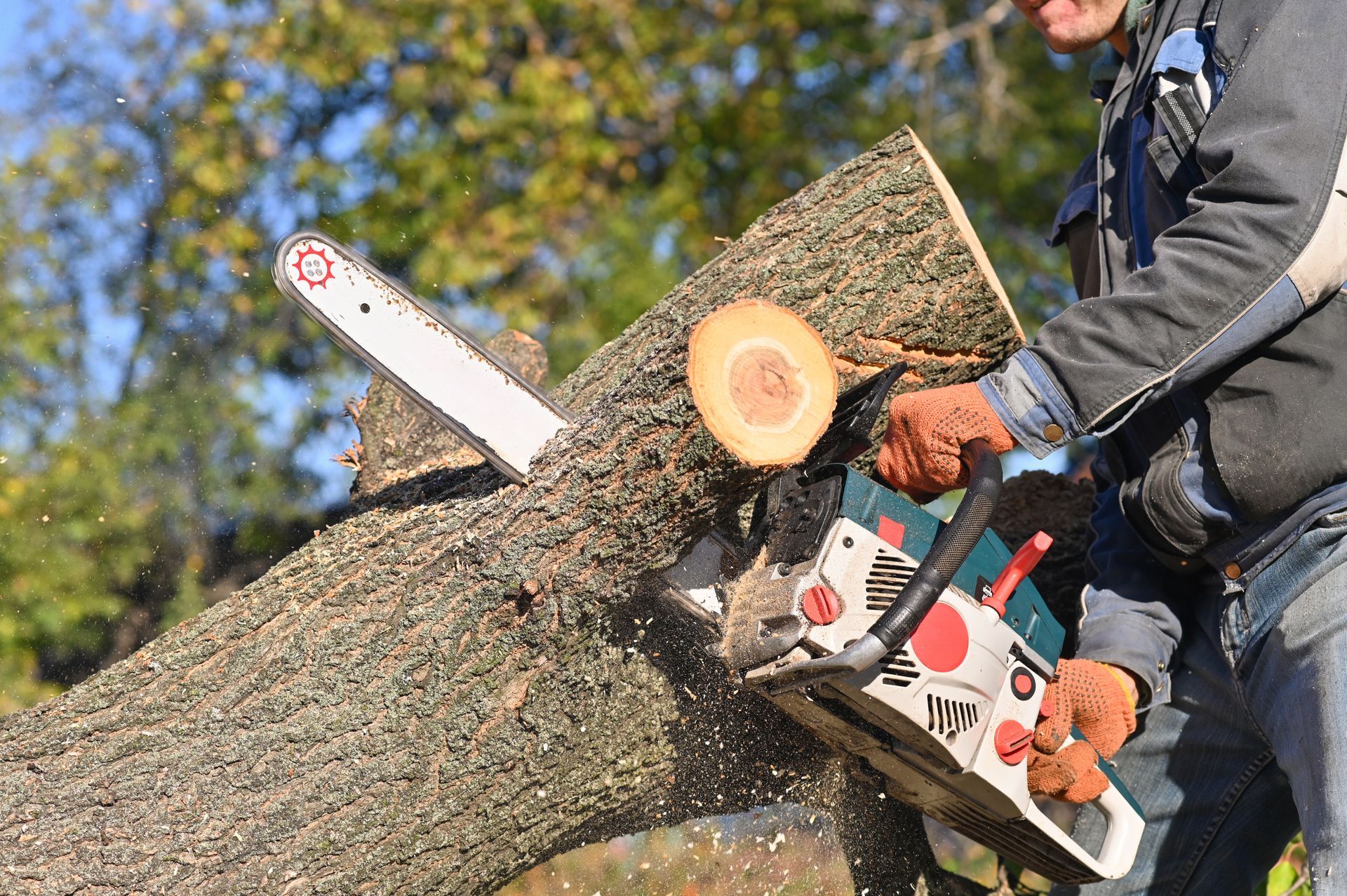
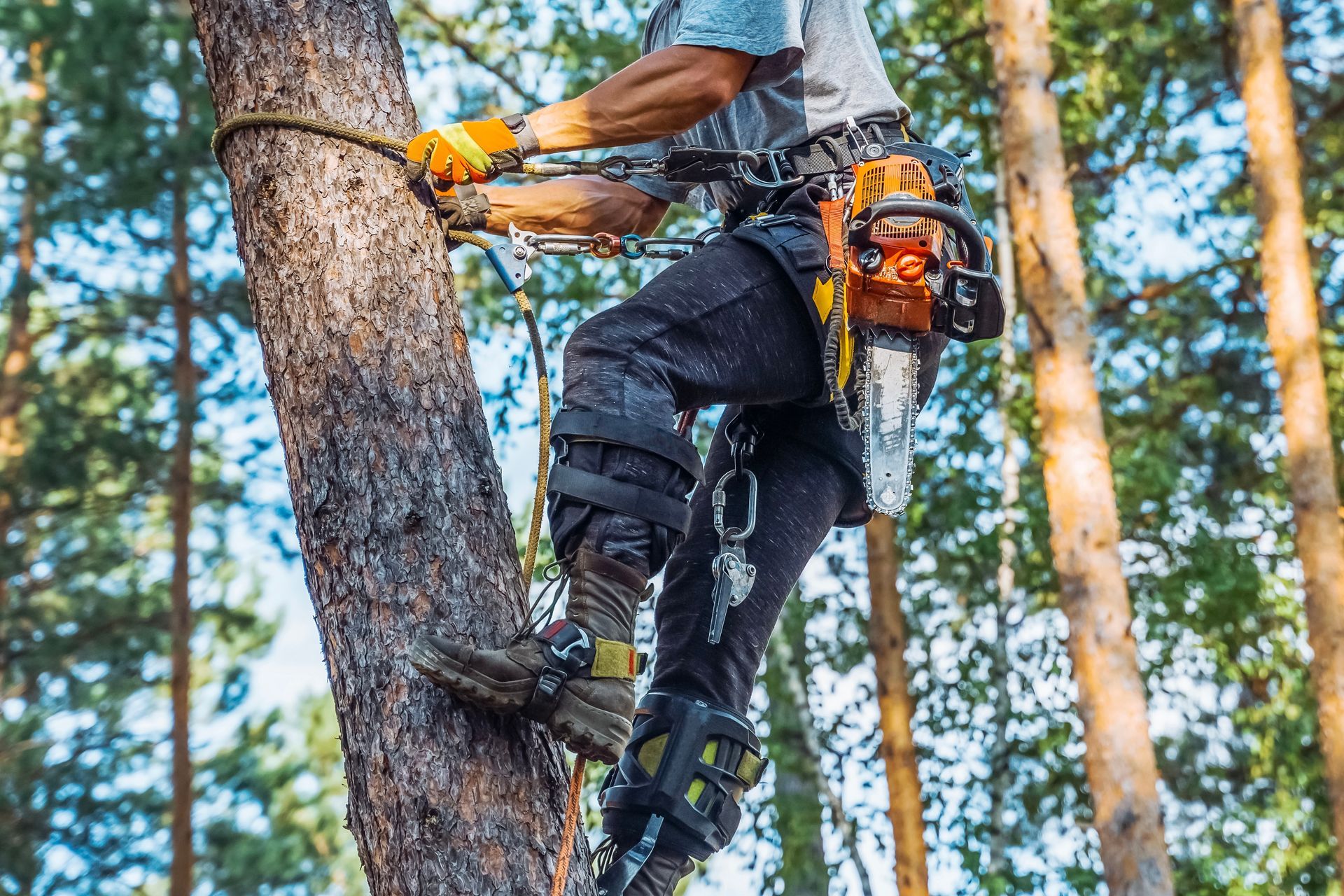
Proper tree trimming is essential for maintaining the health, safety, and appearance of trees on residential and commercial properties. In Hartville, OH, trees experience significant seasonal stress from heavy snow, ice, summer storms, and fluctuating temperatures. Without regular maintenance, branches can become overgrown, weakened, or hazardous. M&M Morris Landscaping provides professional tree trimming services designed to manage growth, reduce risk, and preserve the long-term vitality of trees throughout the region.
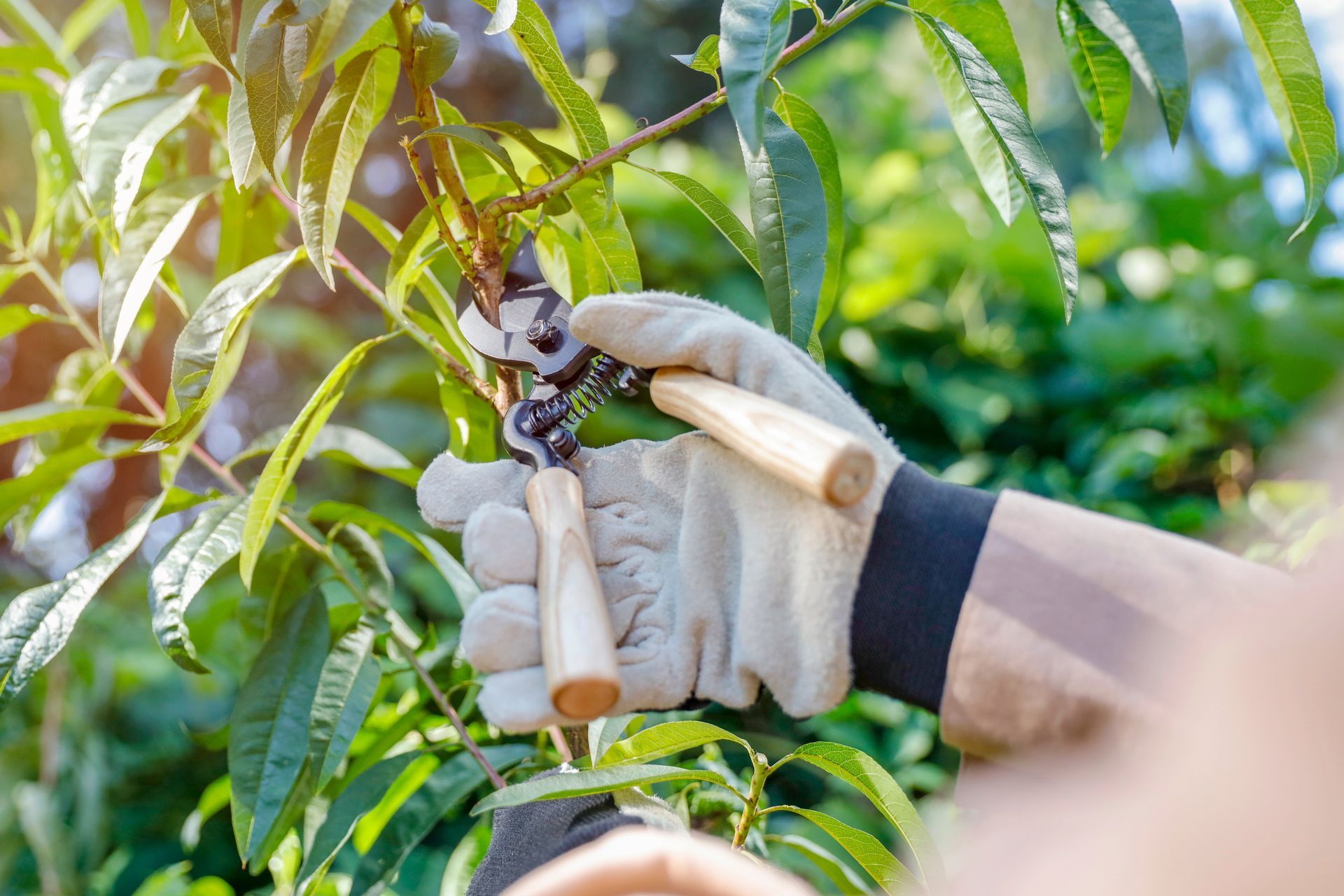
Tree trimming is not simply about cutting branches. It requires understanding tree biology, growth patterns, and structural balance. Incorrect cuts can damage trees, invite disease, or cause unstable regrowth. Professional trimming focuses on improving structure while maintaining the natural shape of each species.
Structural Pruning for Tree Health
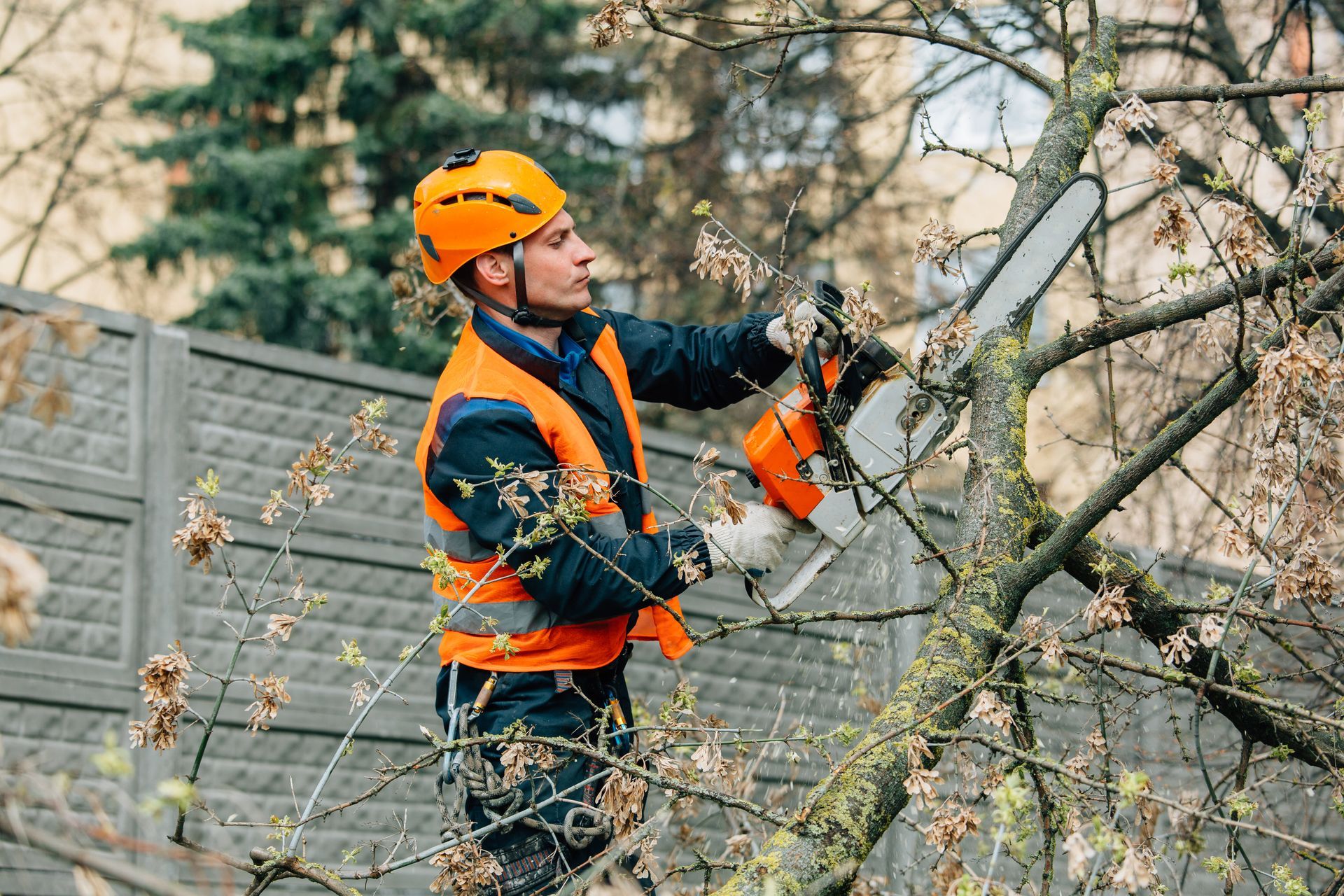
Healthy trees depend on strong branch architecture and proper airflow through the canopy. Structural pruning removes problematic growth while encouraging stable development over time.
Removal of Dead and Diseased Branches
Dead or decaying limbs can harbor pests and pathogens that spread to healthy portions of the tree. Removing these sections helps prevent further deterioration and reduces the risk of falling debris during storms or high winds common in Northeast Ohio.
Correction of Weak Branch Attachments
Branches that grow at narrow angles or develop included bark are more likely to split as they mature. Selective pruning strengthens the tree’s framework by reducing weight on vulnerable connections and promoting balanced growth.
Improvement of Air Circulation and Sunlight Penetration
Dense canopies can trap moisture and limit light, creating conditions favorable for fungal diseases. Thinning the canopy allows air and sunlight to reach interior branches, supporting healthier foliage and reducing stress on the tree.
Safety-Focused Hazard Reduction
Overgrown or damaged trees can pose serious risks to people, structures, vehicles, and utility lines. Preventative trimming helps minimize these hazards before they lead to costly damage or emergencies.
Clearance From Roofs and Structures
Branches that extend over homes or buildings can scrape roofing materials, clog gutters, or break during storms. Strategic trimming maintains safe distance while preserving the tree’s natural form.
Management of Storm-Damaged Limbs
After severe weather, partially broken branches may remain suspended in the canopy. These compromised limbs can fall without warning. Removing them promptly restores safety and prevents further tearing of the tree.
Visibility and Access Improvements
Trees near driveways, sidewalks, and roadways require adequate clearance for pedestrians and vehicles. Trimming ensures unobstructed visibility for drivers and safe passage for foot traffic.
Seasonal Tree Maintenance in Northeast Ohio
Trees in Hartville face distinct seasonal challenges that influence when and how trimming should occur. Timing plays a major role in promoting recovery and preventing stress.
Dormant Season Pruning
Late fall through winter is often an ideal time for major structural trimming because trees are not actively growing. Without leaves, the branch framework is easier to assess, and cuts made during dormancy typically heal well in spring.
Spring and Summer Maintenance
Light trimming during the growing season can address new growth, minor hazards, or aesthetic shaping. Care must be taken to avoid excessive removal, which can weaken the tree during periods of active development.
Storm Response Trimming
Unexpected weather events may necessitate immediate attention regardless of season. Removing broken or hanging limbs helps stabilize the tree and protect surrounding property.
Shaping and Aesthetic Enhancement
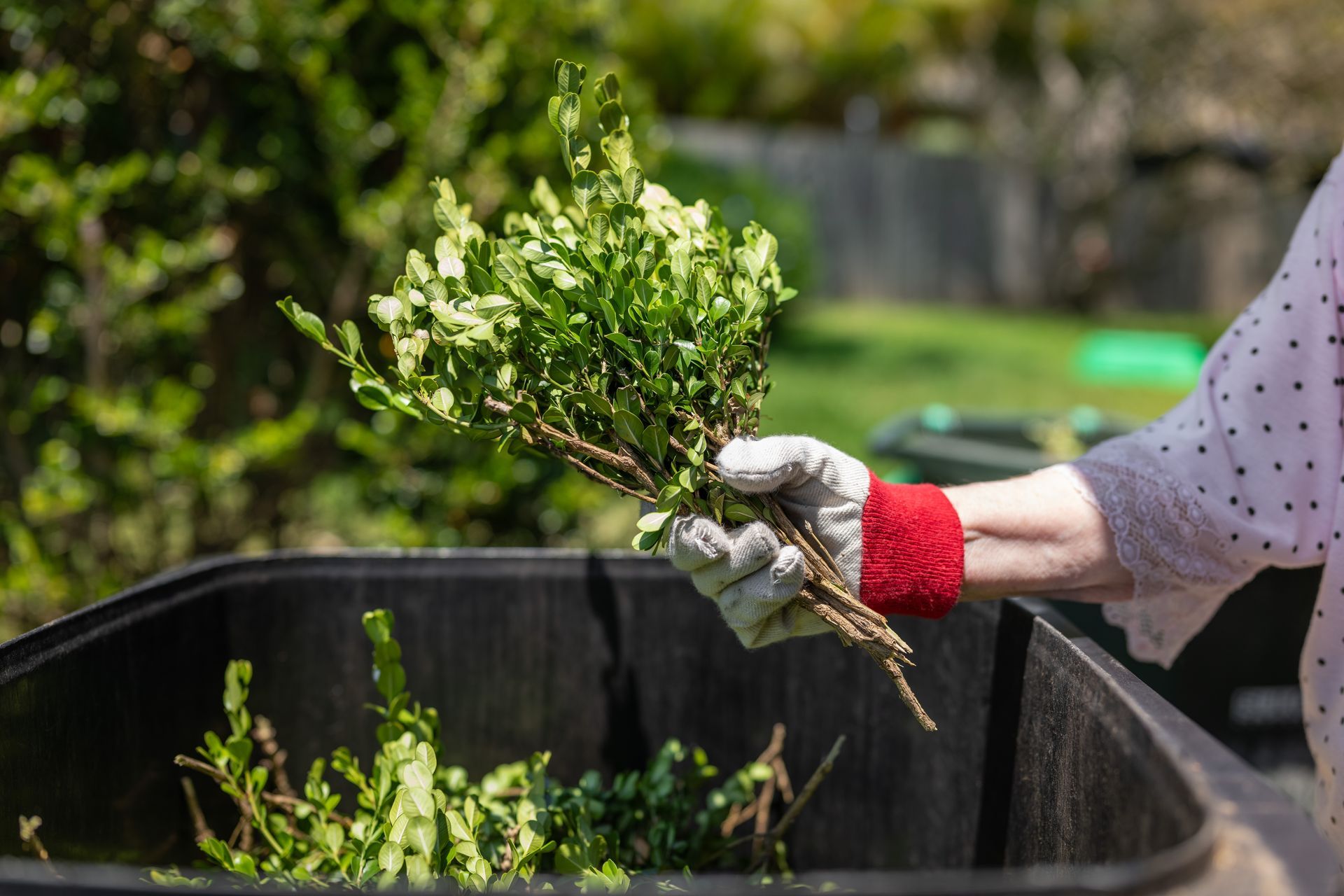
Beyond safety and health, tree trimming contributes to the overall appearance of a landscape. Well-maintained trees complement the property and enhance curb appeal without appearing artificially shaped.
Preservation of Natural Form
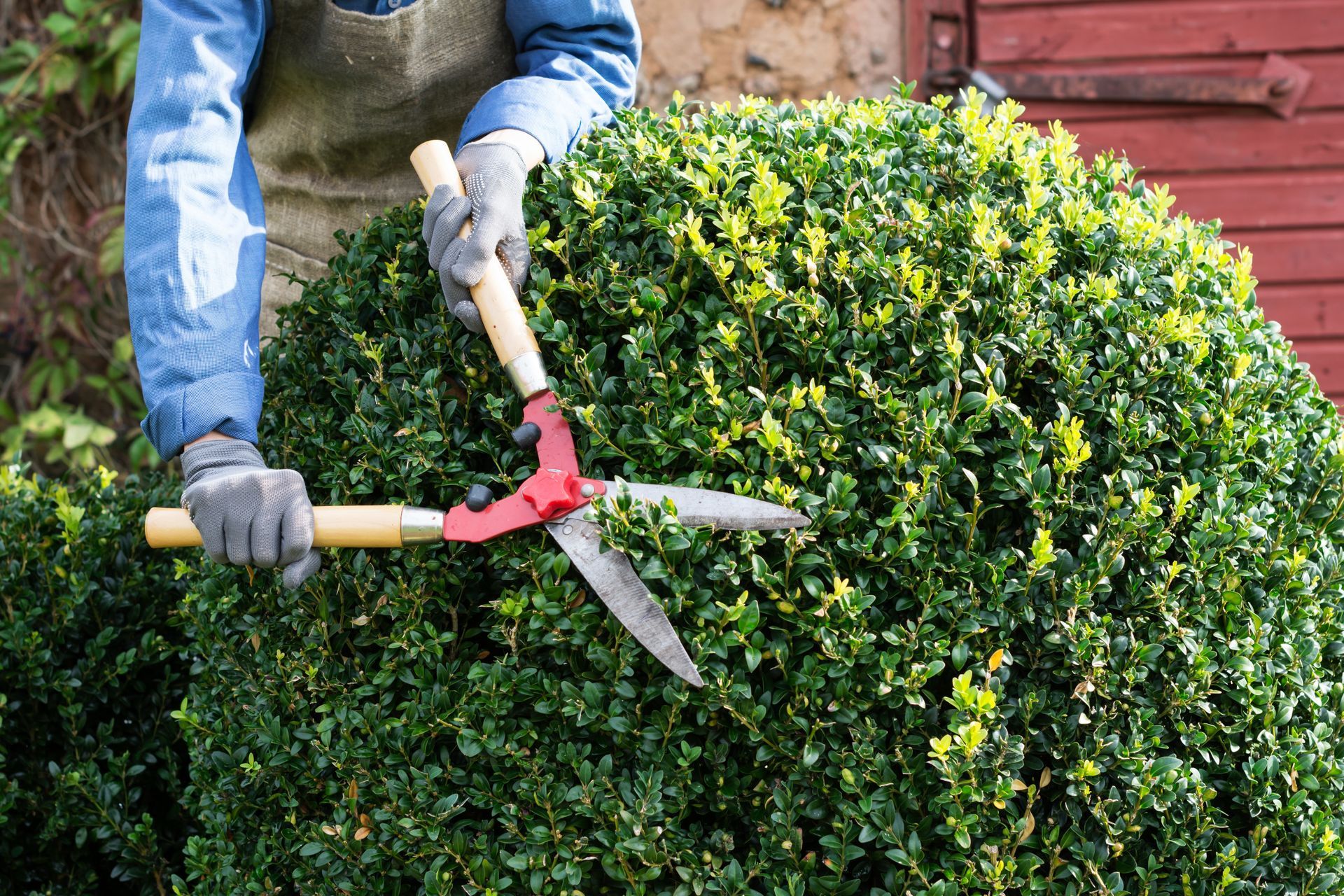
Each tree species has a characteristic shape that should be maintained. Proper trimming emphasizes this natural structure rather than forcing uniform or geometric forms that can stress the tree.
Balancing Canopy Proportions
Uneven growth may cause one side of a tree to become heavier than the other, increasing the likelihood of leaning or branch failure. Selective pruning redistributes weight for a more stable silhouette.
Coordination With Surrounding Landscape
Trees often serve as focal points within a yard. Trimming can highlight views, reduce excessive shading on lawns or gardens, and ensure that plantings beneath the canopy receive adequate light.
Long-Term Tree Care and Property Impact
Regular trimming supports the longevity of trees and reduces the likelihood of major interventions later. Mature trees are valuable landscape assets, providing shade, privacy, and environmental benefits.
Encouraging Strong Growth Over Time
Routine maintenance helps young trees develop solid structure that will support them as they mature. Addressing issues early prevents the need for drastic pruning in later years.
Reducing Future Maintenance Costs
Proactive trimming minimizes the chance of emergency removals, property damage, or extensive corrective work. Maintaining trees consistently is often more cost-effective than addressing neglected problems.
Protecting Surrounding Features
Uncontrolled root and branch growth can interfere with driveways, fences, power lines, and nearby structures. Managing canopy size helps prevent these conflicts while preserving the tree.
M&M Morris Landscaping provides professional tree trimming services in Hartville, OH tailored to the specific needs of each property and tree species. By combining careful evaluation with precise pruning techniques, trees can remain healthy, stable, and visually appealing through every season. Proper trimming not only enhances the landscape today but also safeguards the long-term condition of valuable mature trees for years to come.